
If you are planning to sell your home, you already know that first impressions matter. I have seen firsthand how a few small missteps in staging can cost you both time and money. Today, I want to share with you 11 common staging mistakes and give you some practical tips to avoid them. This way, you can sell your home faster and get a better price.
Selling a house can be an emotional ride. You put your heart into every room, but sometimes personal touches can backfire. Potential buyers may feel uneasy when they see an overcrowded living room or excessive personal photos displayed. Your property needs to appeal to various potential buyers while it is listed for sale.
I have worked with many sellers in Traverse City and across Northern Michigan. Some have made staging errors that, in hindsight, were both avoidable and embarrassing. I promise you, a few smart adjustments can turn your home from "meh" to must-see. Let's dive into the mistakes you should steer clear of and the simple fixes that work like magic.
1. Over-Cluttering
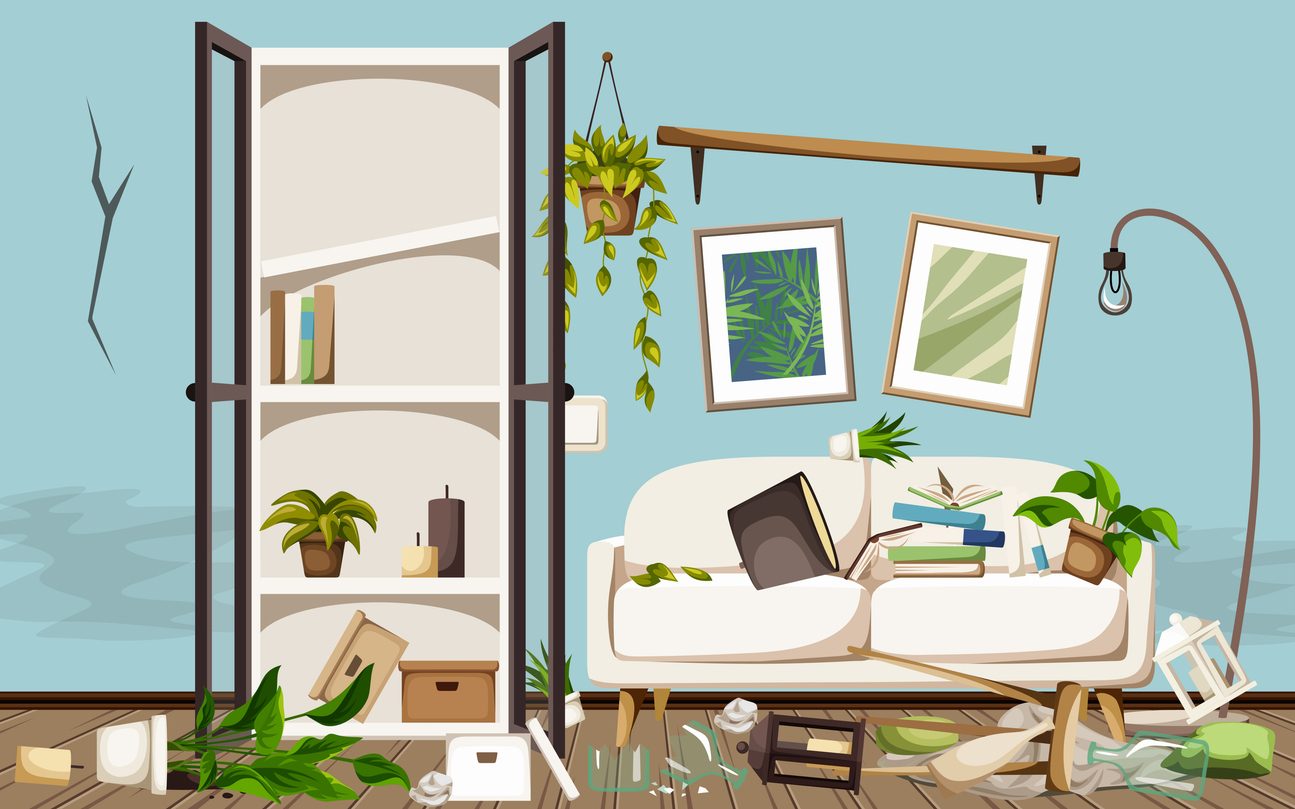
One of the biggest mistakes is trying to show too much of your life in every corner. When a room is filled with knick-knacks and piles of stuff, buyers can feel overwhelmed. They need room to breathe and see the potential of each space.
Instead of letting every surface carry personal clutter, clear out what you don't need. Pack away extra furniture, family heirlooms, or collections that may distract potential buyers. A clean, open space invites buyers to imagine their own belongings in the home.
A quick tip: Start with one room at a time. Remove items you can live without for a few weeks. You might be surprised at how much bigger your home looks when clutter is gone.
2. Too Much Personalization
I know it can be hard to let go of your personality. After all, your home tells your story. However, buyers need to envision themselves living there, not get lost in someone else's life. Pictures of your family, your travel souvenirs, or even that wall of movie posters can turn off buyers.
Consider removing personal photos, trophies, and any item that is distinctly you. Instead, opt for neutral decor that appeals to a broader audience. This does not mean stripping the home of character, but rather creating a canvas for buyers to project their own dreams onto.
3. Poor Lighting Choices
Lighting is the unsung hero of home staging. A room filled with dim light can feel cold and uninviting. Bad lighting hides the charm of a space and can even make small rooms feel cramped.
Before any photos are taken, take a hard look at each room. Open up curtains and let natural light in. Replace heavy drapes with light, airy window coverings. Use lamps in dark corners and consider switching out old bulbs for brighter, energy-efficient ones. In Northern Michigan, natural light can change dramatically with the seasons. Take advantage of the best light available by scheduling your shoot during a bright morning or a soft late afternoon.
4. Bad Furniture Arrangement
Sometimes, even the best furniture can look off if it is not arranged properly. A sofa pushed up against a wall might hide the flow of a room. A dining table placed in a cramped spot can limit movement and make the space feel smaller.
Experiment with different layouts. Rearrange furniture to create spacious and welcoming rooms. Design seating arrangements that foster interaction among people and ensure each room maintains clear walkways. The real estate space can be dramatically improved by simply rearranging some furniture pieces.
Good furniture placement can expand the space while drawing attention to its strongest aspects. Seek guidance by consulting a local staging expert or asking a friend for their input.
5. Outdated or Off-Putting Decor
Decor trends shift over time and what appeared contemporary five years ago now seems outdated. The presence of striking patterns or outdated decorations may prevent potential buyers from recognizing the full value of your property.
Assess every room from a distance. Does any furniture or decor in your house give the feeling of being from another era? A fresh coat of paint and modern accessories can improve your room's appearance. Small adjustments often lead to significant improvements. Switching outdated throw pillows for ones in a neutral color can help refresh the appearance of your space.
Don't worry about overhauling everything. Buyers first notice areas such as the living room, kitchen and master bedroom so highlight these spaces. You can refresh your space with minimal expense through a few basic modifications.
6. Not Highlighting Key Features
Every home has its strengths. The stunning bay view and cozy fireplace along with the bright airy kitchen are important details that need to stand out. Sellers frequently hide these key features within mounds of clutter or bad staging.
Buyers who observe these features properly displayed gain insight into your home's value. Your home embodies more than its physical structure because it holds unique charm and potential.
7. Ignoring the Exterior and Entryway
Curb appeal is crucial. Your home's front appearance shapes buyers' initial thoughts before they enter the property. A cluttered or unkempt entryway creates an unfavorable first impression that influences the entire home tour.
Start at the front door. A tidy and maintained porch or entryway creates an inviting atmosphere. The front entryway will benefit from adding a welcoming bench or plant pot and replacing the old doormat with a new one. These little touches add warmth and welcome.
The exterior of your home functions as a book cover. The exterior of your home needs to beckon people to explore what lies beyond. An attractive interior becomes irrelevant if the exterior appears neglected because buyers will leave before seeing what your home truly offers.
8. Overuse of Bold Colors or Patterns
Bold colors stand out but excessive use becomes overbearing. Buyers become disoriented when every room resembles an overwhelming display of artwork. Buyers must see a unified aesthetic that helps them picture themselves living in the space.
We aim to establish surroundings that give buyers a sense of comfort. When buyers find themselves in a balanced and serene space they become more able to relax and visualize their life in the home.
9. Over-Staging to the Point of Fakeness
There is a fine line between inviting staging and a setup that feels too artificial. Sometimes, a home can be staged so perfectly that it feels like a showroom. Buyers might then wonder if the house is lived in at all.
Aim for balance. You want the home to feel cared for, but not overly staged. Leave a few personal touches that add warmth and authenticity. If every surface is too perfect, buyers can sense it and may feel that the home lacks a lived-in charm.
Think of it this way: you want buyers to imagine their life in the home. If it looks too perfect, they might have trouble picturing themselves there. Keep things genuine and let the home’s natural character shine through.
10. Poor-Quality Photos of the Staged Home
After all the work you put into staging, the final presentation matters most online. Many buyers start their search on the internet, and poor photos can undo all your efforts.
Invest in a good photographer who can capture your home in its best light. Your home's perception relies significantly on the quality of the photos you use. Each photograph needs to display all rooms brightly with excellent lighting for a pleasing appearance.
Simple Tips to Avoid These Pitfalls
With the 10 mistakes behind us, it's time to move forward with straightforward staging tips that will prepare your home for success.
• Start Early: Give yourself ample time for decluttering your space and reorganizing your furniture. Rushing through can lead to missed details.
• Ask for Help: A new perspective can reveal errors you overlooked. Enlist your friend's help or hire a professional to receive truthful feedback.
• Plan for Photos: Remember that quality photos are crucial. Design your space with proper lighting and streamlined lines to achieve an optimal online presence.
• Stay Flexible: Some home improvement ideas will not be suitable for your living space. Maintain flexibility by exploring alternative arrangements if your initial setup proves ineffective.
Real-Life Anecdotes and Lessons Learned
A seller I worked with resisted taking down family photos and personal items from their home. They thought these items added character. The buyers who visited found it difficult to picture the space as their own personal living area. After recommending the seller remove personal items from the house it felt more spacious. Buyers noticed that the space felt expansive and neutral after viewing it. The house eventually sold at an unexpected fast pace.
Once I helped a client who had too much furniture cluttering their living room space. Buyers did not notice the beautiful fireplace because the space felt too confined. We repositioned the furniture to provide more open space in the room. The change was dramatic. The buyers liked the room's fluid layout which revealed its full potential.
My experiences proved that minor adjustments can lead to substantial improvements. The process of home staging does not require you to conceal your personal style. The key objective of staging your space is to attract as many different buyers as possible. Minimal effort placed toward home improvements can significantly increase your property's market value.
The Impact on Sale Speed and Price
A home staged properly will sell both more quickly and attract better offers. Purchasers demonstrate greater financial flexibility toward properties that appear ready for immediate occupancy. A home that shows signs of proper care attracts buyers and staging serves as evidence of that maintenance.
The market duration decreases when homeowners invest in proper staging for their property. Buyers notice meticulous details which leads them to submit stronger offers. In a competitive market, every day counts. Proper staging reduces the time your home stays on the market and prevents the need for numerous price reductions.
Think of staging as an investment. There may be initial costs or time spent but this stage process can lead to significant returns. When buyers see a well-presented home they understand that this property deserves serious consideration. Staging generates an immediate need and strong attraction from potential buyers.
Final Thoughts
Home staging acts as a strong method when you want to sell your home. By steering clear of these typical errors your property will attract more attention in a competitive market. Each element from removing clutter and personal items to arranging lighting and space plays a crucial role.
Your home represents who you are as a person. You need to spend time staging your home properly to showcase it in its best light. Feel free to contact us whenever you need assistance or guidance. My role is to assist you as you move through each step of the process.
While pictures can communicate a thousand words the power of a smartly arranged home conveys profound messages. Prepare your home to be welcoming and beautiful so buyers can envision their future life there. Begin staging your home right now and experience the rapid arrival of purchase proposals.
Please share this post with anyone preparing to sell their home if you found these tips useful. Should you require any assistance or personalized recommendations, you can reach me with just a phone call. By working together we can transform your home into a property buyers will find irresistible.
Happy staging to you and may this lead to both a quick sale and a new happy chapter!
Gordon Liechti – REALTOR® GRI – Traverse City, MI